The Middle East is witnessing an unprecedented retail boom, and Carrefour is at the heart of it. The French multinational retailer has announced a significant expansion in Saudi Arabia, reinforcing its presence with new hypermarkets and a strengthened online platform. This move aligns with the Kingdom’s Vision 2030, which aims to diversify the economy and enhance consumer retail experiences.
With a rising population, increasing urbanisation, and growing demand for both international and local products, Saudi Arabia has become a key battleground for global retailers. But what makes Carrefour’s strategy unique, and how will it shape the future of grocery retail in the region?
Carrefour’s Growth in Saudi Arabia: A Strategic Move
Carrefour, operated by UAE-based retail giant Majid Al Futtaim in the Middle East, has been steadily expanding across the Gulf region. Saudi Arabia, as the largest market in the Gulf Cooperation Council (GCC), presents immense opportunities for growth. The latest expansion includes:
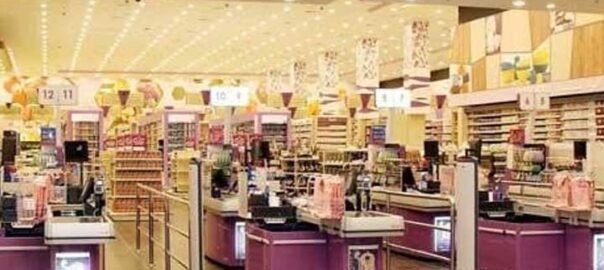
New hypermarkets: Carrefour is opening multiple large-format stores across key cities such as Riyadh, Jeddah, and Dammam.
Enhanced e-commerce platform: The retailer is investing heavily in digital infrastructure, aiming to capitalise on the region’s rapid shift towards online grocery shopping.
Local sourcing initiatives: Carrefour is increasing partnerships with Saudi suppliers to offer more locally produced food and grocery items, aligning with the country’s push for food security.
Sustainable retail practices: Carrefour is implementing eco-friendly measures, such as reducing plastic packaging and introducing energy-efficient store designs.
This expansion strengthens Carrefour’s foothold in the Middle Eastern market while positioning it as a major competitor to regional chains and global rivals such as Lulu Hypermarket and Walmart-backed Noon Grocery.
Why Saudi Arabia? The Retail Market’s Rapid Transformation
Saudi Arabia’s retail sector is undergoing a transformation driven by several key factors:
1. A Young and Digitally Savvy Population
With over 60% of the Saudi population under the age of 35, tech-driven shopping habits are reshaping the retail landscape. E-commerce, mobile payments, and digital loyalty programmes are in high demand, prompting Carrefour to invest in an omnichannel approach that integrates physical stores with online services.
2. Government Support for Foreign Investment
As part of Vision 2030, Saudi Arabia is opening its doors to foreign retailers, encouraging investment in modern retail infrastructure. Carrefour’s expansion aligns with this initiative, benefiting from relaxed regulations and government incentives.
3. Demand for High-Quality and International Products
Saudi consumers are increasingly looking for diverse product selections that include organic, international, and premium food items. Carrefour’s global supply chain allows it to meet this demand while also incorporating locally sourced products.
4. The Shift Towards Hypermarkets and E-commerce
While traditional supermarkets remain popular, there is growing interest in large-format stores that offer a one-stop shopping experience. Carrefour’s hypermarkets cater to this trend, while its online platform ensures convenience for tech-savvy shoppers.
How Carrefour is Differentiating Itself in the Market
Carrefour is leveraging several key strategies to gain an edge in the Saudi retail sector:
1. Investing in AI and Smart Retail Technology
The retailer is integrating AI-powered checkout systems, automated stock management, and personalised digital promotions. This enhances efficiency and customer experience, positioning Carrefour as a tech-driven retail leader in the region.
2. Strengthening Local Supply Chains
To align with Saudi Arabia’s economic goals, Carrefour is increasing its partnerships with local farmers and manufacturers. This not only reduces import dependency but also helps Carrefour offer fresher, more affordable products.
3. Expanding Private Label Products
Carrefour’s private label brands provide high-quality alternatives to leading global brands at competitive prices. With rising price sensitivity among Saudi consumers, this strategy helps drive customer loyalty.
4. Enhancing Sustainability and CSR Initiatives
Environmental and social responsibility are becoming key factors in retail success. Carrefour is actively reducing food waste, launching eco-friendly packaging initiatives, and supporting community programmes in Saudi Arabia.
Challenges in the Saudi Retail Market
Despite its strong growth potential, the Saudi retail market presents challenges that Carrefour must navigate:
Intense Competition: Local players like BinDawood and Panda, along with regional chains such as Lulu Hypermarket, pose stiff competition. Carrefour must continuously innovate to maintain its market share.
Regulatory Changes: Saudi Arabia’s evolving business regulations require adaptability, particularly in areas such as labour laws, localisation policies, and pricing controls.
Cultural Preferences: Understanding and catering to Saudi consumer preferences, including halal product offerings and family-oriented shopping experiences, is crucial for long-term success.
The Future of Grocery Retail in Saudi Arabia
Carrefour’s expansion in Saudi Arabia is a testament to the country’s growing influence in the global retail landscape. With increasing urbanisation, rising disposable incomes, and a strong push for digitalisation, Saudi Arabia is set to become a hub for modern retail innovation.
Looking ahead, the key trends shaping the Saudi grocery sector include:
Continued growth of online grocery shopping: Retailers will invest further in e-commerce platforms, delivery services, and AI-driven customer experiences.
More hypermarkets and large-format stores: The demand for convenient, all-in-one shopping destinations will continue to rise.
Sustainability-driven retail strategies: Consumers and regulators will push for eco-friendly practices, forcing retailers to adopt greener initiatives.
Increased competition from new market entrants: As Saudi Arabia opens up to global businesses, more international retailers may enter the market, intensifying competition.
Carrefour’s aggressive expansion strategy positions it as a leader in this evolving landscape. By combining digital transformation, sustainability, and a strong local presence, the retailer is not only securing its market position but also shaping the future of grocery retail in Saudi Arabia.
As the Middle Eastern retail boom continues, Carrefour’s success in Saudi Arabia will serve as a blueprint for other global retailers looking to tap into this high-growth market.
Former Woolworths CEO Brad Banducci has been appointed as the new chief executive of Ticketek’s parent company TEG.
The former leader of Woolworths will take over from long-serving TEG CEO Geoff Jones.
Mr Jones, who led Ticketek’s parent company for 14 years, will become TEG’s new chairman.
Mr Banducci said stepping into the new role aligns with his “personal passion for live events and a strong belief in the increasing importance of live experiences in general”.
“I am honoured to join TEG at this exciting time in its journey,” he said.
Amid a series of shake ups at the ticketing giant, Mr Jones said he was delighted to “pass the baton” to Mr Banducci, who has a “proven track record” that makes him “the ideal leader to guide TEG into its next phase”.
“As chairman, I look forward to working with Brad and the team to continue to grow the business,” he said in a statement.
It comes after the events company appointed former Seven marketing director Larissa Ozard as general manager in marketing (live entertainment) and announced the appointment of Simon Cahill, head of commercial, and Jono Whyman, general manager of SXSW Sydney, as co-managing directors for SXSW Sydney.
Mr Banducci had a controversial exit from Woolworths last year, and was criticised for his response to price-gouging claims investigated by the Australian Competition & Consumer Commission and the company’s decision to drop Australia Day merchandise.
He left Woolworths just days after what was a train wreck interview on ABC’s Four Corners, during which he walked out of an interview before coming back, as he was grilled over allegations of price gouging and a lack of fair competition in the Australian supermarket sector.
At the time he said in a statement it was his intention to “retire, not resign”, as he felt it was the right time to “pass the baton”.
Mr Banducci has a 30-year portfolio of experience in consumer and retail, working for Woolworths Group for 13 years and eight and half years as Group CEO.
New details have emerged after one of Australia’s most popular retail brands was hit with a wind up order from the Federal Court forcing the closure of at least 51 stores.
Ally Fashion, an Australian-owned brand launched in 2001, has more than 150 stores in New South Wales, Victoria, Queensland, South Australia and the Northern Territory.
About 250 staff employed across the stores have lost their jobs due to the shocking collapse of the brand.
Last Friday, the brand received an order from the Federal Court to be wound up due to insolvency issues.
The Federal Court of Australia then appointed Jeff Marsden and Duncan Clubb of BDO Australia as liquidators of Ally Fashion Pty Ltd.
In a statement BDO revealed the appointment by the Court was made following an application by a landlord regarding overdue rent.
Ally fashion, one of Australia’s most popular brands, has been hit with a wind up order from the Federal Court, creating another massive ripple in the country’s retail industry. Picture: Supplied
“Following an urgent assessment of the business by the Liquidators, we have ceased operating 51 retail stores to improve the financial viability of the Company,” a spokesperson for BDO said.
However, the company has reportedly entered into a Licence Agreement with a related entity of the Director, David Dai, to continue to operate the remaining stores of Ally Fashion.
According to its website, clothes at Ally Fashion are designed by an in-house team for women who “like to express themselves through fashion & style”.
“With over 50 new styles arriving per week, Ally Fashion is well in demand and the destination for women who can transcend the fashion’s boundaries – defying the trends and creating her own,” it previously said.
Liquidator Jeff Marsden said, “Ally Fashion is a well-known Australian brand, with a dedicated team. The closure of underperforming stores and entering into a Licence Agreement will allow the business to continue operating in the short term whilst we urgently explore options to restructure, recapitalise or sell the business.”
The news comes as Australia’s retail industry takes a tough blow from cost-of-living pressures and recent inflation, making it increasingly difficult for businesses to meet their financial obligations.
Embattled fashion empire Mosaic Brands, which boasted brands such as Autograph, Noni B, Katies, Millers, and Rivers went into voluntary administration on October 28.
All 80 Katies stores shut down following the major decision, with 80 other stores across Millers, Rivers and Noni B also expected to close their doors.
About 480 employees lost their jobs due to the closures.
A shift in consumer behavior as thousands cut back on non-essential spending is understood to have led to the rise in insolvencies and businesses entering administration across all industries.
The Philippines has attracted top Japanese fashion and lifestyle retailers in show-casing Filipino products in their stores and in expanding their footprint in the country, the Department of Trade and Industry (DTI) said.
In a statement on Wednesday, DTI Secretary Cristina Roque said Adastria Co. Ltd. will expand its retail footprint and will explore local manufacturing while Etoile Kaito & Co Inc. is poised to increase sourcing of Philippine indigenous crafts.
The DTI said Roque spearheaded these collaborations during high-level discussions with the companies’ officials on March 3 in Tokyo.
“These strategic collaborations are set to significantly boost market access for premium Filipino products in Japan, attract substantial Japanese retail and supply chain investment, and showcase the nation’s rich creative talent on the international stage,” Roque said. “The exceptional creativity and craftsmanship of Filipi-nos deserve global recognition, and the Philippines is ready to take its place as a key player in the international fashion and life-style industry.”
Adastria, a leading Japanese apparel retailer with a portfolio of 45 brands, during a meeting with Roque, outlined plans to introduce more brands and explore local manufacturing opportunities, capitalizing on the Philippines’ growing retail mar-ket and competitive advantages, the DTI said.
Following the opening last December of Adastrias’s “niko and…” flagship store at SM Mall of Asia, the company aims to open multiple stores and introduce additional brands such as Global Work, Lowry’s Farm, and LAKOLE, the DTI added.
“Adastria’s expansion into the Philippines with the launch of ‘niko and…’ is just the beginning of what we hope will be a broader introduction of their diverse brand portfolio into the market,” said Roque.
She urged Adastria to consider local sourcing and manufacturing. A DTI briefer said the apparel retailer has 1,282 domestic and 127 international stores.
The briefer said Etoile Kaito, a prominent Japanese business-to-business wholesaler, is expanding its sourcing and diversifying its portfolio of interior and lifestyle products made from indigenous materials like capiz shells and abaca.
The DTI said Etoile Kaito will focus on importing a range of products, including flower vases, gardening pots, wall decorations, and fashion accessories like abaca bags and small containers.
Beyond sourcing, Roque said Etoile Kaitos expansion plans include introducing Japanese merchandise to the Philippine market through partnerships with established local distributors.
The DTI said Etoile Kaito has been working with the agency since 1988 to source products from the Philippines.
It added the company’s innovative hybrid model, seamlessly integrating digital platforms with brick-and-mortar channels, connects micro, small and medium enterprise manufacturers with an expansive network of 17,500 retailers in Japan and beyond.
Saudi Arabia’s supply chain transformation, driven by Vision 2030, emphasizes infrastructure upgrades, diverse trade relations, e-commerce growth, and free trade zones to enhance efficiency, resilience, and global logistics capabilities.
New Delhi, March 06, 2025 (GLOBE NEWSWIRE) — According to Astute Analytica’s latest market analysis, the Saudi Arabia supply chain market was valued at 560 million in 2024 and is anticipated to reach US$ 970 million by 2033, growing at a CAGR of 6.70% during the forecast period 2025–2033.
Saudi Arabia’s Vision 2030 is a groundbreaking strategic framework that is fundamentally reshaping the country’s supply chain landscape. This ambitious plan, launched to diversify the economy and reduce dependence on oil, has far-reaching implications for the logistics and supply chain sector. At its core, Vision 2030 aims to transform Saudi Arabia into a global logistics hub, leveraging its strategic geographic location at the crossroads of Europe, Asia, and Africa. The initiative has prioritized substantial investments in infrastructure, digital transformation, and workforce development, all of which are crucial elements in modernizing and enhancing the efficiency of supply chain operations.
One of the most significant impacts of Vision 2030 on the supply chain market in the country is the drive towards economic diversification. By promoting sectors such as manufacturing, technology, and logistics, the Kingdom is creating new opportunities for growth and innovation in supply chain management. This diversification is not only reducing Saudi Arabia’s reliance on oil but also fostering a more resilient and dynamic economy. The emphasis on digital transformation under Vision 2030 is particularly noteworthy, with the adoption of cutting-edge technologies such as artificial intelligence (AI), Internet of Things (IoT), and blockchain. These technologies are enabling real-time tracking, predictive analytics, and improved decision-making, which are crucial for modern supply chain operations. As a result, Saudi Arabia is witnessing enhanced visibility, efficiency, and sustainability in its supply chains, positioning itself as a competitive player in the global market.
Government investments in infrastructure: developing ports, airports, and road networks to improve logistics
Top Trends
Digital transformation: adoption of AI, IoT, and blockchain for supply chain efficiency
E-commerce expansion: increasing demand for logistics solutions, especially last-mile delivery
Sustainability initiatives: focus on green logistics and reducing carbon emissions
Top Challenges
Regulatory and customs barriers: complex procedures affecting cross-border logistics efficiency
Infrastructure and capacity constraints: need for further expansion to meet growing demand
Infrastructure Development Boosting Saudi Arabias Logistics Capabilities
The development of robust infrastructure is a cornerstone of Saudi Arabia’s supply chain market strategy to enhance its logistics capabilities under Vision 2030. The Kingdom has embarked on an ambitious journey of infrastructure expansion and modernization, with significant investments pouring into major ports, airports, and the development of a comprehensive rail network. The National Industrial Development and Logistics Program (NIDLP), a key component of Vision 2030, has allocated a staggering $133.3 billion for the development of essential infrastructure in airports, railways, and ports. This massive investment is set to transform Saudi Arabia’s logistics landscape, significantly boosting its capacity to handle international trade and positioning the country as a global logistics hub.
Key projects under this infrastructure development initiative in the supply chain market include the expansion of major ports such as King Abdullah Port and Jeddah Islamic Port. These expansions are expected to dramatically increase container capacity, facilitating better access to global markets and enhancing Saudi Arabia’s role in international trade. The development of a comprehensive rail network, including projects like the Saudi Landbridge, is another crucial aspect of this infrastructure push. This 1,300-km rail network will connect Jeddah on the Red Sea to Dammam on the Arabian Gulf via Riyadh, significantly reducing cargo transit times and improving trade route efficiency. These infrastructure developments are not only enhancing Saudi Arabia’s domestic logistics capabilities but also strengthening its position as a key player in global supply chains. By improving connectivity and reducing transportation costs, these initiatives are making Saudi Arabia an increasingly attractive destination for businesses looking to optimize their supply chain operations in the Middle East and beyond.
International Trade Relationships Enhancing Supply Chain Market Resilience
Saudi Arabia’s Vision 2030 has placed a strong emphasis on strengthening international trade relationships as a means to enhance supply chain resilience. The Kingdom recognizes that in an increasingly interconnected global economy, robust international partnerships are crucial for maintaining a stable and efficient supply chain. Saudi Arabia has been actively expanding its trade relationships with various countries, including traditional partners like the United States and emerging economic powerhouses such as the BRICS nations (Brazil, Russia, India, China, and South Africa). These diversified trade relationships help mitigate risks associated with geopolitical tensions or trade restrictions by ensuring alternative routes and suppliers are available.
The Kingdom’s efforts to enhance supply chain resilience through international trade are multifaceted. One key strategy is the implementation of the Global Supply Chain Resilience Initiative (GSCRI), which aims to increase foreign direct investment (FDI) in export-related sectors such as aerospace, pharmaceuticals, and renewables. This initiative not only strengthens Saudi Arabia’s position in global supply chain market but also contributes to the country’s economic diversification goals. Additionally, Saudi Arabia is focusing on developing cross-border collaboration and trade agreements. The establishment of free-trade zones and strategic partnerships with regional and global trade partners is helping to create a more resilient and flexible supply chain network. These efforts are complemented by initiatives to enhance domestic capabilities, such as localizing industries and developing strategic stockpiles of essential goods. By balancing international trade relationships with domestic resilience strategies, Saudi Arabia is creating a robust and adaptable supply chain ecosystem that can withstand global market fluctuations and disruptions.
Last Mile Delivery Innovations in Saudi Ecommerce Landscape
The rapid growth of e-commerce in Saudi Arabia has necessitated significant innovations in last-mile delivery, the final and often most challenging step in the logistics process across the supply chain market. As consumer expectations for faster, more convenient deliveries rise, companies in Saudi Arabia are leveraging cutting-edge technologies and innovative strategies to optimize their last-mile operations. Artificial Intelligence (AI) and Machine Learning are at the forefront of these innovations, with companies like Wahyd Logistics using these technologies to optimize delivery routes and forecast demand. These AI-powered solutions analyze data such as traffic patterns and customer preferences, resulting in a remarkable 25% reduction in delivery times compared to traditional methods.
Another significant innovation in the Saudi e-commerce landscape is the use of Internet of Things (IoT) technology to enhance shipment visibility and tracking. By equipping delivery vehicles and packages with IoT sensors, logistics companies can monitor the location and condition of goods in real-time. This has led to a 15% decrease in lost or damaged parcels, significantly improving customer satisfaction and reducing operational costs in the supply chain market. The exploration of automated delivery vehicles and drones is also gaining traction, with these technologies showing potential to reduce delivery times by 20% and costs by 15%. Furthermore, the establishment of micro-fulfillment centers in high-demand areas is enabling quicker processing and dispatch of orders, while the introduction of smart lockers is simplifying the returns process and reducing carbon emissions. These innovations, supported by Saudi Arabia’s Vision 2030 initiative and the country’s focus on technological advancement, are transforming the e-commerce logistics landscape, making it more efficient, customer-centric, and environmentally friendly.
Free Trade Zones Boosting Saudi Arabias Logistics Capabilities
Free Trade Zones (FTZs) have emerged as a powerful tool in Saudi Arabia’s arsenal to boost its logistics capabilities and attract foreign investment in the supply chain market. These designated areas, where goods can be imported, stored, and re-exported without being subject to standard customs duties or taxes, are playing a crucial role in simplifying international trade and enhancing the Kingdom’s position as a global logistics hub. The development of FTZs is a key component of Saudi Arabia’s Vision 2030 strategy, aimed at diversifying the economy and reducing dependency on oil. These zones offer numerous benefits, including tax exemptions, reduced customs duties, and simplified regulatory procedures, which collectively contribute to more cost-effective and efficient logistics operations
The impact of FTZs on Saudi Arabia’s logistics capabilities in the supply chain market is multifaceted. Firstly, they have significantly streamlined customs procedures, reducing the time and complexity involved in importing and exporting goods. This simplification leads to shorter lead times and faster shipments, enhancing overall supply chain efficiency. Secondly, the cost-effectiveness offered by FTZs makes Saudi Arabia an attractive destination for companies looking to optimize their supply chains, thereby strengthening the logistics sector. The strategic location of these zones near key logistics hubs such as ports and airports improves connectivity to global markets, reducing transportation time and costs. This positioning is particularly advantageous given Saudi Arabia’s geographic location at the crossroads of Europe, Asia, and Africa. Furthermore, FTZs serve as a magnet for foreign investments by offering a favorable business environment, which in turn increases demand for logistics services and contributes to the growth of the logistics industry in Saudi Arabia.
Cross-border e-commerce has emerged as a significant driver of growth in Saudi Arabia’s supply chain market, accounting for a substantial portion of the country’s e-commerce sales. As of 2023, cross-border transactions represented an impressive 60% of the total e-commerce sales in the Kingdom. This dominance is largely attributed to the competitive pricing, wider product selection, and brand variety offered by international platforms, which have proven highly attractive to Saudi consumers. A survey revealed that 72% of customers prefer cross-border retailers due to lower prices, while 47% appreciate the wider choice of products available. This consumer preference has not only boosted the e-commerce market but has also significantly impacted the logistics sector, driving demand for efficient cross-border shipping solutions and last-mile delivery services.
The growth of cross-border e-commerce has necessitated significant developments in Saudi Arabia’s supply chain market. The government, recognizing the potential of this sector, has been proactive in fostering a conducive environment for e-commerce growth, including cross-border transactions. Under Vision 2030, initiatives are underway to increase cashless transactions and expand the geographical coverage of e-commerce delivery beyond major cities. These efforts are part of a broader strategy to enhance the digital economy and support the logistics infrastructure needed for efficient cross-border e-commerce. However, the dominance of international platforms also presents challenges, including reduced revenue for the Saudi government and potential hindrances to the development of the local e-commerce industry. As a result, there is a growing trend towards supporting local e-commerce platforms, with projections suggesting that the share of cross-border e-commerce could decrease to 49% by 2026. This shift, coupled with government initiatives to support local businesses and enhance digital infrastructure, presents both challenges and opportunities for the future growth of e-commerce and its associated logistics sector in Saudi Arabia.
Astute Analytica is a global market research and advisory firm providing data-driven insights across industries such as technology, healthcare, chemicals, semiconductors, FMCG, and more. We publish multiple reports daily, equipping businesses with the intelligence they need to navigate market trends, emerging opportunities, competitive landscapes, and technological advancements.
With a team of experienced business analysts, economists, and industry experts, we deliver accurate, in-depth, and actionable research tailored to meet the strategic needs of our clients. At Astute Analytica, our clients come first, and we are committed to delivering cost-effective, high-value research solutions that drive success in an evolving marketplace.
Talabat Holding announced on Thursday the acquisition of 100 per cent of Instashop’s share capital from Delivery Hero SE. The sale and purchase agreement, initially revealed in September 2024, was fully funded through Talabat’s internal cash reserves, with a total consideration of $32 million.
Instashop, the leading online grocery delivery marketplace in the Mena region, is now a wholly-owned subsidiary of Talabat and will be effective and consolidated into its financial accounts starting February 25, 2025.
Instashop will continue to operate as an independent brand within Talabat’s grocery and retail vertical.
Founded in June 2015 and headquartered in Dubai, Instashop is a leading online marketplace that connects users with vendors, streamlining the purchase process and providing the necessary logistical capabilities to meet fast delivery expectations of customers. Specialising in the grocery and retail sectors across the UAE and Egypt, instashop offers a wide range of products, including groceries, pharmacy items, beauty essentials, and other personal care products.
In 2024, Instashop achieved strong growth, reaching $631 million in GMV, a 16% increase from $545 million in the prior year and equivalent to 8 per cent of Talabat’s 2024 GMV, with positive and improving EBITDA margins.
Following the acquisition, Talabat’s pro forma Grocery and Retail GMV1 for 2024 surpasses $2.5 billion, reinforcing its market leadership in the region.
NEW DELHI, March 6 (Reuters) – Indian consumer products distributors have filed an antitrust case against big fast-delivery businesses of Zomato, Swiggy and Zepto, calling for an investigation into alleged deep discounting practices, legal papers show.
India’s e-commerce sector has faced intense scrutiny over how products are priced online. An antitrust investigation last year found Amazon and Walmart’s Flipkart favour select sellers and resorted to “predatory pricing”, which hurts smaller retailers. The companies have denied the allegations.
Quick commerce, in which companies deliver consumer products within 10 minutes from neighbourhood warehouses, is popular with customers but has upset smaller retailers as shoppers use apps to order everything from milk to pulses. Bernstein estimates India’s quick commerce sector will reach $35 billion in 2030, from $200 million in 2021.
The All India Consumer Products Distributors Federation (AICPDF), in a case filing with the Competition Commission of India, has asked for an investigation into many business practices of Zomato’s (ZOMT.NS)
“An alarming trend of predatory pricing and deep discounting practices by Q-commerce platforms resulted in unfair pricing models,” said the group’s filing, which is not public but was reviewed by Reuters.
Zomato and Swiggy did not respond to Reuters’ requests for comment. Zepto declined comment. The CCI did not respond.
The filing could increase headaches for Zomato and Swiggy. A separate CCI investigation last year found their food delivery businesses breached competition laws. The case is ongoing.
Zepto is preparing for an IPO after raising funds at a valuation of $5 billion last year.
The watchdog will review the case filing and can order its investigation unit to look at the matter closely. This can take several months and may require companies to explain their businesses. It can dismiss the case if it finds no merit in it.
AICPDF has 400,000 distributors as members, who supply products of brands such as Nestle (NEST.NS), opens new tab, Unilever (ULVR.L) and Tata to 13 million retail shops across India.
A recent Datum Intelligence survey of 3,000 Indian quick commerce shoppers showed 36% had reduced shopping at supermarkets and 46% cut back purchases from small independent stores.
In its filing, AICPDF said local brick-and-mortar stores “cannot match” the quick commerce giants’ discounts. It compared online and offline pricing of 25 products, including of Nestle and Hindustan Unilever (HLL.NS)
A variant of a Nescafe coffee jar which a small independent Indian retailer receives from companies for about 622 rupees ($7.14) is offered for 514 rupees on Zepto, 577 rupees on Swiggy Instamart and 625 rupees on Blinkit, according to the filing.
Bumper crowds at the Australian Open tennis and summer of cricket lifted retail spending in January.
Retail turnover rose by 0.3 per cent in January 2025, according to the Australian Bureau of Statistics, as Aussies looked for a day out at their favourite sporting events.
This followed a volatile Black Friday and Cyber Monday period where November retail sales soared 0.7 per cent but December retail sales fell 0.1 percent.
ABS head of business statistics Robert Ewing says the pick up in retail spending since mid-year has largely been discretionary, with January being the exception and the rise mostly driven by food-related spending.
“Bumper crowds across large-scale events, including record attendance at the Australian Tennis Open and cricket events, lifted spending in catering services,” Mr Ewing said.
“Food retailing also rebounded in January, particularly in Victoria where supply chain disruptions negatively impacted December supermarket spending.”
Overall, food-related spending bounced back in January following falls last month, with rises in cafes, restaurants and takeaway food services (up 1.1 per cent), while food retailing rose 0.7 per cent.
Oxford Economics Australia head of macroeconomic forecasting Sean Langcake said while spending overall was subdued for January, the outlook going forward remained positive.
“The labour market is in a strong position, and inflation has fallen materially, leaving real incomes in good shape,” he said.
“Cost-of-living subsidies are providing a transitory boost to spending, while February’s interest rate cut helps shore up the outlook.”
Commonwealth Bank economist Harry Ottley said while consumer spending increased in January, it could be due to heavy discounting.
“It is also worth nothing the recent improvement in spending growth is coming from a weak base,” he said.
“This is especially true when considering high population growth and the weakness in the volume of spending.
“For context, the average annual growth rate for trend nominal retail trade from 2000‑2019 was 4.7 per cent, higher than the current rate of 4.1 per cent.”
KPMG chief economist Brendan Rynne said Tuesday’s data provided evidence of a stronger economy, which could be bad news for mortgage holders.
“This figure, together with the hotter-than-expected inflation figures last week, supports our forecast that the RBA will not follow up its recent rate cut with another in May,” Mr Rynne said.
“The data also support the RBA’s guidance to the market to be cautious about the scope for further rate cuts in the near term.”
Last week’s CPI data showed headline inflation remained steady in the month of January, at 2.5 per cent, but the all important trimmed mean inflation rate that the RBA uses went up from 2.7 to 2.8 per cent.
Spending in most non-food industries rose January, led by other retailing, up 2.4 per cent, and clothing, footwear and personal accessory retailing, which grew 2.0 per cent.
This was partly offset by a large fall in household goods retailing, which dropped 4.4 per cent as retailers stopped discounting items.
“The fall in household goods follows four straight rises driven by widespread discounting activity around Black Friday and Cyber Monday sales events,”
Retail turnover rose in six of the eight states and territories. The only exceptions being NSW, were spending fell 0.3 per cent in the month of January, and the Northern Territory where sales were flat.
Victoria drove the biggest contribution to national growth, up 0.6 per cent, largely on the back of the Australian Open.
In annual terms, WA came in first, with Victoria retail spending growth coming in second.
E-commerce has become a very large industry in the market today, especially for apparel. The Indian apparel industry has recognised this platform as a good way to increase reach and get their products into the hands of customers. Similarly, global conglomerates like Amazon have recognised this platform as a great way to export goods globally.
In order to give sellers a platform to enter foreign markets, Amazon hosted a conference on Export Connect 2025 in Coimbatore on 7th March 2025.
K. M. Subramanian, President of the Tirupur Exporters Association (TEA), who was among the attendees, said cross-border e-commerce is currently worth US $ 800 billion a year and is predicted to grow to US $ 2 trillion by 2030.
He also emphasised that, with an annual export value of over US $ 350 billion (2024), China is the undisputed leader, followed by the US at US $ 200 billion. India is currently ranked eighth in the world, with rapidly increasing e-commerce exports valued at US $ 3–4 billion. The Indian government has acknowledged e-commerce exports as a sunrise sector, and programs like Digital India and the newly announced Foreign Trade Policy 2023 are giving this sector a big boost.
He also underlined that although there are advantages, there are drawbacks, like insufficient infrastructure and obstacles to digital adoption. Many MSMEs and SMEs in India lack the resources and digital adoption needed to take full advantage of e-commerce platforms.
Honorary TEA Chairman Dr. A. Sakthivel, Joint Director General of Foreign Trade Anand Mohan Mishra, Business Head Srinidhi Kalvapudi, Marketing & Partnership Head Atul Bansal, and Sejal Ganpule, Advertising Manager, Amazon Global Selling, were also present at the event.
Together, we’re poised to not only elevate the Takealot brand but also redefine the e-commerce landscape with campaigns that resonate with South Africans
Takealot has joined Joe Public on a new journey to grow their business in the rapidly evolving and exciting e-commerce sector.
Takealot, ranked 27 in the Kantar BrandZ South Africa Report 2024, is a proudly South African brand and a leader in the country’s online retail market. Joe Public is both honoured and excited about this opportunity to assist in strengthening Takealot’s brand as it continues to shape the future of e-commerce.
“We’re thrilled to partner with this innovative brand,” says Mpume Ngobese, co-managing director atJoe Public. “We look forward to creating impactful, results-driven advertising that resonates with the everyday Joe on the South African streets.”
Julie-Anne Walsh, chief marketing officer of Takealot, adds: “We’re excited to embark on this new journey with Joe Public. Their creativity and understanding of our dynamic South African market make them the ideal partner. Together, we’re poised to not only elevate the Takealot brand but also redefine the e-commerce landscape with campaigns that resonate with South Africans.”