Welcome to BIGBOX Media Company

All posts by Admin

Keemart by Keeta launches in Riyadh, starting with Al Yasmin and Granada districts

Keemart offers a practical and timely solution for residents seeking quick, reliable access to groceries and household necessities

Saudi Arabia – Keeta, the international subsidiary of Meituan – China’s leading on-demand delivery giant – has officially launched Keemart, a new grocery delivery service designed to bring everyday essentials to users’ doors in just 15 minutes.

The service is now live in the Al Yasmin and Granada districts of Riyadh, with plans to expand across the city and other regions in Saudi Arabia.

With Riyadh’s fast-paced lifestyle and growing demand for digital convenience, Keemart comes at a time when convenience is no longer a luxury, it’s an expectation. Keemart offers a practical and timely solution for residents seeking quick, reliable access to groceries and household necessities. The platform not only eliminates the need for last-minute store trips but also empowers local merchants by broadening their digital footprint.

Keemart is built for everyday accessibility. Through the Keeta app, customers can browse an expanding selection of fruits, vegetables, snacks, beverages, dairy products, cleaning supplies, and personal care items. All products are sourced from trusted brands and suppliers to ensure freshness and quality.

“Our goal is simple: to make daily life easier for individuals and families across Riyadh,” said Aria Liu, Head of Keemart in Saudi Arabia. “With Keemart, we’re offering a faster, more reliable way to get everyday essentials delivered right to your door. This is part of our broader mission at Keeta to help people eat better, live better.”

Couriers are stationed at local fulfillment hubs for immediate dispatch. All frozen and temperature-sensitive items are packed with ice packs to maintain optimal quality. Deliveries are powered by a smart dispatch system and an advanced last-mile logistics network – ensuring precise, efficient, and professional service from order to doorstep.

Keemart’s growth strategy includes rapid expansion into more Riyadh neighborhoods, followed by a nationwide rollout. This initiative aligns with Keeta’s long-term vision to enhance quality of life through digital innovation while supporting Saudi Arabia’s Vision 2030 through technology, job creation, and the empowerment of local commerce.

News Credits- ZAWYA BY LSEG

Majid Al Futtaim Retail opens four new Carrefour pop-up stores in Mina

  • Carrefour’s new stores will provide essential items to pilgrims, including food products, water, personal hygiene items, and other daily necessities
  • The stores in Mina will offer 24-hour service throughout Hajj, with a multilingual team committed to assisting pilgrims from diverse backgrounds

Riyadh, Saudi Arabia: In support of Saudi Vision 2030’s goals to enhance services for the “Guests of God” during Hajj, Majid Al Futtaim Retail, which owns the exclusive rights to operate Carrefour in the Kingdom of Saudi Arabia, announces the opening of four new pop-up stores in Mina – strategically located to serve Pilgrims during the Hajj season 1446 AH.

The stores will operate 24-hours and will provide pilgrims with convenient and easy access to essential needs offering a wide range of daily necessities, including food products, water and beverages, personal hygiene items all in proximate key locations within Mina. The stores will be managed by a multilingual team trained to assist pilgrims from diverse backgrounds which will ensure a seamless and more enjoyable shopping experience for the visitors.

Commenting on the opening of the new stores, Najib Haddad, Regional Manager of Carrefour Saudi Arabia, stated: “We are honoured to be contributing to the Kingdom’s efforts in providing exceptional services and facilitating seamless access to Pilgrims during the Hajj 1446 season. Our fully equipped stores in Mina are designed to cater to the unique needs of Pilgrims, to the highest standards – a testament to our ongoing commitment to serve with purpose the Saudi community.”

He added: “I wish to express our sincere appreciation to the Ministry of Interior, the Ministry of Commerce, and to all the relevant authorities managing this year’s distinguished Hajj season for their trust, collaboration and support. We are fully dedicated to continuously identifying purposeful opportunities to that can enhance the experience for all who visit or reside in the Kingdom.”

News Credits- ZAWYA BY LSEG

BIGBOX Media Company with Seamless Digital Commerce

BIGBOX Media Company joins forces with Seamless Digital Commerce as official Interview Partner.

We are thrilled to partner with Seamless Digital Commerce 2025 as their official Interview Partner.

Seamless is the Middle East’s premier event for payments, fintech, e-commerce, retail and digital innovation.

As the official Interview Partner, BIGBOX Media Company will be on ground capturing exclusive interviews, insightful conversations and behind the scene moments, with industry leaders, innovators, and game changers who are shaping the future of digital commerce across the region.

This partnership reflects our shared commitment to storytelling, innovation, and amplifying the voices that are redefining the digital economy. Whether you’re attending in person or following the action online BIGBOX Media Company will keep you connected to the pulse of the event.

Stay tuned as we bring you the energy, insight, and innovation from Seamless Digital Commerce 2025, all through the lens of BIGBOX Media Company.

dark store

The Rise of Dark Stores in Quick Commerce and Online Retail

Dark stores, also known as dark shops or dotcom centers, originated in the United Kingdom in 2009, with Tesco, a leading UK supermarket chain, pioneering the model by establishing customer-free fulfillment centers.

A dark store is a retail facility that resembles a traditional outlet but is not open to the public. Instead, it functions as a dedicated space for fulfilling online orders, operating like a mini-warehouse where items are picked, packed, and dispatched for delivery. Dark stores are especially common in the grocery and rapid delivery sectors, where customers expect their purchases to arrive within hours, or even minutes.

Dark stores were introduced to meet the growing demand for fast and convenient online shopping.

According to COHERENT MARKET INSIGHTS the global dark store market is estimated to be valued at USD30.19 billion in 2025 and is expected to reach USD 296.77 billion by 2032, exhibiting a compound annual growth rate (CAGR) of 38.6% from 2025 to 2032.

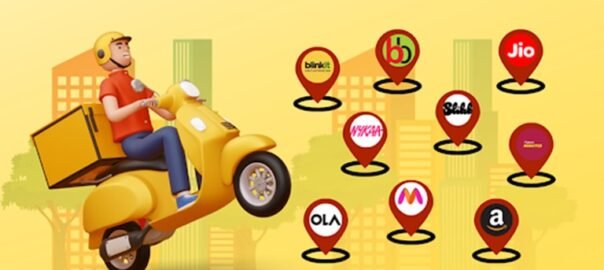
Leading companies such as Swiggy Instamart, Blinkit, Zepto, and Flipkart Minutes are actively expanding their dark store networks. Meanwhile, Amazon and JioMart are also stepping into the quick commerce sector by launching their own dark store operations.

Next, we’ll explore how a dark store operates.

The dark store model is designed to streamline the fulfilment of online orders, enabling fast and efficient delivery services. Here’s how this business model typically operates:

You start by placing an order through an e-commerce platform linked to the retailer’s dark store, with available items ranging from groceries and fashion to electronics, depending on the retailer. Since dark stores are designed for storage rather than in-person shopping, they can efficiently accommodate a high volume of SKUs (stock-keeping units). Effective inventory management allows these stores to quickly locate in-stock items and allocate them for prompt order fulfilment.

After an order is received, store staff promptly pick and pack the necessary items for delivery. The store’s efficiency-focused layout enables them to work more quickly than in conventional retail stores. Once the items are packed, they are either readied for delivery or set aside for curb side pickup or click-and-collect services. Integrated technologies such as delivery tracking provide customers with real-time updates on their orders, enhancing the overall shopping experience.

Dark stores have become increasingly popular because they offer advantages to both retailers and consumers. One of the main reasons for their rise in popularity today is the rapid expansion of e-commerce. From a retailer’s perspective, dark stores help them to implement cost-efficient fulfilment processes and improve logistical operations, resulting in a quicker turnaround time for online order deliveries. On the flip side, consumers enjoy faster delivery, greater convenience through options like curb side pickup, and potentially lower prices thanks to the reduced operational costs for retailers.

With the growing popularity of dark stores, it’s clear they have a strong future. Let’s explore the key drivers behind their continued rise.

With the rapid growth of the quick commerce market, dark stores are poised to become an even more significant force in the retail landscape, particularly in urban areas and densely populated regions where demand for convenient shopping options is high. Their rise is driven by technological advancements such as automation, efficient inventory management systems, and increasing consumer expectation for fast delivery. Additionally, dark stores are expanding their product offerings beyond groceries to broaden their reach.

This rapid evolution highlights a number of benefits that make dark stores an attractive model for modern retail

Dark stores offer numerous advantages that support the evolving needs of modern retail. They enable faster order processing and delivery, essential for quick commerce and grocery fulfilment. By eliminating the costs associated with traditional retail spaces, they allow for greater investment in logistics and automation. Advanced inventory systems improve stock accuracy and availability, while technologies enhance picking precision and reduce returns. Dark stores also support scalable e-commerce operations, reduce in-store congestion, and improve customer satisfaction through flexible delivery options. Additionally, they provide a low-risk environment for experimenting with new products, helping retailers stay agile in a competitive market.

While dark stores offer significant operational and customer experience advantages, they also present a unique set of challenges that retailers must navigate to ensure long-term success.

Dark stores present several operational challenges. High upfront costs for infrastructure, automation, and software can burden smaller retailers. Efficient last-mile delivery and finding strategic urban locations add logistical complexity. Demand fluctuations and peak periods require accurate forecasting to avoid overstocking or delays. Integrating advanced technologies can be difficult, and workforce management remains critical in high volume environments. Balancing inventory, especially for perishables, adds to the complexity. Additionally, sustainability concerns around packaging and delivery are growing. Retailers must also meet rising customer expectations while navigating urban zoning laws and potential community resistance in densely populated areas.

Despite these operational hurdles, dark stores are reshaping how supply chain’s function.

Dark stores have a significant impact on the supply chain process, by enabling faster deliveries through strategic urban placement and efficient order processing. They leverage advanced inventory systems for real time tracking, reducing errors and boosting efficiency. Operating closer to customers cuts transportation and operational costs while improving last-mile delivery and the overall customer experience. Dark stores are scalable and adaptable to shifting demand, and offering retailers flexibility. They generate valuable data on customer behaviour, supporting informed decision-making. With lower setup costs compared to large distribution centres and shorter delivery routes, dark stores are both cost-effective and environmentally friendly, reducing carbon emissions and enhancing sustainability.

In conclusion, dark stores are rapidly transforming the retail and supply chain landscape, driven by the surge in e-commerce and consumer demand for fast, convenient delivery. By combining efficient fulfilment processes with advanced technologies, they offer retailers cost savings, scalability, and improved customer experiences. Despite operational challenges such as infrastructure costs and urban logistics, their benefits, especially in quick commerce, make them a compelling model for the future. As innovation in automation, inventory management, and sustainability continues, dark stores are well-positioned to become a core element of modern retail strategies, particularly in densely populated urban areas where speed and convenience are paramount.


DHL Group and Shopify

DHL Group and Shopify to accelerate global cross-border shipping

Shopify merchants will now be able to send their products more easily thanks to an expanded partnership with DHL Group that will provide a faster, simpler and more efficient way to connect with DHL’s domestic and cross-border shipping network.

DHL’s services will be integrated into the Shopify Shipping platform, enabling merchants to access global network and shipping solutions without the need to onboard a logistics provider independently. The DHL integration will also help sellers manage complex customs, legal and administrative tasks.

“As the world’s leading logistics company, DHL connects merchants to their end customers through our extensive network spanning 220 countries and territories,” explained Katja Busch, chief commercial officer DHL and head of DHL Customer Solutions & Innovation.

“We know that navigating customs clearance, duties and tax compliance, in addition to finding a dependable delivery partner, can be complex without expert assistance. The partnership between DHL and Shopify allows merchants to tap into DHL’s expertise and use our unrivaled network, products and services effortlessly. It’s all geared to enabling merchants to deliver to their customers in a hassle-free manner.”

So far, the DHL integration on Shopify is live in the USA and in Germany and it will continue to be rolled out globally in 2025 and 2026. For merchants in the USA, it also simplifies cross-border e-commerce with delivered duty paid (DDP) shipping that protects consumers from unexpected additional fees such as customs charges or import sales tax.

“With Shopify Shipping, we’re doubling down on unified commerce, giving merchants a logistics solution that’s not just seamless, but scales with their business,” commented Harley Finkelstein, Shopify president. “By launching with DHL as a pre-integrated partner, we’re streamlining fulfillment in one powerful hub, breaking down barriers and unlocking global opportunities for merchants to thrive.”

Author Credits- HAZEL KING
Parcel and postal technology INTERNATIONAL

Checkers and Pick n Pay

Checkers and Pick n Pay face new threat, what it means for you

Stores like Checkers and Pick n Pay are facing changes in consumer behaviour. Online stores like Takealot and Amazon are becoming more popular for buying everyday household products. Traditionally, physical stores have always led this market.

More South Africans are shopping online, a trend that started during the pandemic and continues because digital platforms are becoming easier to use. Traditional retailers now face more competition in areas like toiletries, cleaning supplies, and baby products.

ccording to Business Tech, the issue of losing market share is becoming more obvious as online platforms offer more products. For example, Amazon shows that its best-selling items in South Africa include basic necessities like toilet paper, dishwasher tablets, and nappies. This shows that consumers are now buying everyday items online, which was once the stronghold of physical stores.

E-commerce Growth Challenges The likes of Checkers and Pick n Pay

Home delivery and low prices from e-commerce platforms are attracting more customers. This trend is a significant challenge for traditional retailers, who now need to innovate to keep their market positions.

This change gives consumers more choices and makes shopping easier. However, it also raises concerns about the future of shopping in stores and how it may affect jobs in traditional retail.

Implications for Consumers and Retailers

Retailers like Checkers and Pick n Pay are improving their online presence and delivery services. However, they still face the challenge of keeping up with changing consumer preferences. To succeed in this new market, they need to effectively combine digital strategies with the quality and reliability that customers expect.

Author Credits- Michelle June Marlowe
msn

birdeye retail digital transformation

Riyadh-based BirdEye closes funding to promote retail digital transformation

BirdEye offers a user-friendly, intelligent platform that enables retailers to manage their daily operations and compete in a retail technology ecosystem

Saudi Arabia-based BirdEye has raised SAR 2.2 million ($586,000) in a pre-seed round from a private tech-focused fund, according to a press release.

Founded in November 2024 by Abdullah bin Omairah and Abdulrahman Al Hassan, BirdEye will use the investment to scale its digital retail platform across Saudi Arabia and expand its team with local talent.

It will also back the startup’s plans to launch new tech products for retailers and recruit local talent in software development, sales, marketing, and UX design.

BirdEye offers a user-friendly, intelligent platform that enables retailers to manage their daily operations and compete in a retail technology ecosystem.

In line with Saudi Arabia’s Vision 2030 goals, the company aims to empower small and medium-sized enterprises (SMEs) with efficient and accessible tech tools to drive digital transformation.

Author Credits- Mubasher
ZAWYA BY LSEG

swiggy instamart

Swiggy instamart evolves into instamart with a new identity

India’s leading quick commerce platform unveils fresh brand identity, marking its evolution into a standalone powerhouse.

New Delhi: Quick commerce platform Swiggy has taken a bold step forward with a refreshed brand identity, signalling its evolution from a Swiggy sub-brand to a category-defining force in its own right, a release by the company said on Tuesday.

Launched in August 2020, Instamart has expanded its footprint to over 120 cities, offering more than 35,000 products and serving millions of users monthly. What began as an extension of Swiggy’s core offering has now emerged as a daily essential for households across the country, combining speed, reliability, and convenience.

Swiggy Group CEO Sriharsha Majety has often highlighted Instamart’s potential to surpass food delivery in scale and penetration. In line with this vision, Instamart launched a standalone app earlier this year, complementing its presence within the main Swiggy app.

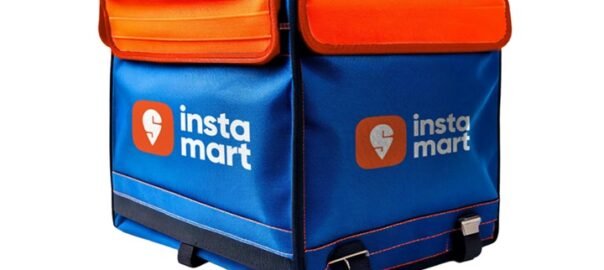
As Instamart enters its next phase of growth, it does so with a vibrant new look. The refreshed identity features a bold new primary brand colour—blue, symbolising trust, speed, and reliability. While the new colour and name emphasise its independence, the iconic Swiggy S’s-Pin remains a central design element—a nod to its roots and the delivery promise it continues to uphold.

“Instamart’s promise has grown beyond grocery categories, Tier 1 cities, and food delivery users. It’s become a service with its voice, its loyal users, and a role in everyday life that’s both personal and essential,” said Mayur Hola, Head of Brand, Swiggy. “This rebrand is not just a visual shift—it’s a declaration. Instamart has grown beyond its origins while still being backed by the trust of Swiggy. The new identity reflects Instamart’s emergence as a standalone brand, innovating across speed, selection, and daily convenience.”

The new identity will be rolled out across Instamart’s app interface, packaging, delivery bags, marketing communications, and campaign assets over the coming weeks.

Launched in August 2020, Instamart is India’s leading quick commerce platform. Available in over 120 cities, Instamart leverages Swiggy’s advanced technology and dedicated delivery network to deliver groceries and everyday essentials—including hygiene and wellness products, home and kitchen supplies, office and electrical items, and beauty and grooming needs—within 10 minutes.

News Credits- Indiaretailing Bureau

india retail sale rise

India’s retail sales rise 4% in April: Survey

The survey points to steady domestic demand at a time when global trade conditions remain unsettled

A 4 per cent yearly increase in retail sales was reported in April compared to the same month of 2024, the Retailers Association of India (RAI) said, basis its survey. The survey points to steady domestic demand at a time when global trade conditions remain unsettled.

Regional data showed that North and West India recorded the highest year-on-year growth at 6 per cent and 5 per cent, respectively.

East and South India recorded a 2 per cent rise each.

Among categories, quick service restaurants (QSR) led with 11 per cent growth, while beauty, wellness and personal care and food and grocery grew 6 per cent each.

Sports goods and consumer durables, and electronics grew at a slowest rate of 1 per cent each, according to the RAI survey.

The survey also highlights a cautious but steady outlook among retailers, with no significant drops in consumer spending.

In March 2025, a 6 per cent yearly rise in retail sales was reported.

Kumar Rajagopalan, CEO of RAI, said: “Retailers report that footfalls into stores are reducing. However, customers who come to the stores are buying with a purpose and are also experiencing new product introductions. Retailers who have innovative products or aspirational products are performing very well in the market.”

Retailers Association of India (RAI) serves as the voice of Indian retailers, working collaboratively with stakeholders to foster the growth of the retail industry.

Separately, in February this year, a joint report by the Boston Consulting Group (BCG) and the Retailers Association of India (RAI) asserted that India’s retail sector is set to experience massive growth.

This projected growth was attributed to factors, including India’s unique demographic trends such as rising affluence alongside a vast middle class, a large middle-aged adult population, and workforce participation by women.

News Credits- THE HINDU businessline

Lazada Invests US$100 Million

Lazada Invests US$100 Million as Part of Strategic Push to Strengthen Affiliate Programme and Lead Creator Commerce in the Region

Lazada, a leading eCommerce platform, today announced an annual investment of US$100 million in the Lazada Affiliate Programme (“LazAffiliate Programme”). Announced at the Lazada Affiliate Southeast Asia Awards 2025 held in Bangkok, the strategic investment aims to transform affiliate marketing into a scalable, results-driven engine for growth across the region.

Today, affiliate marketing has risen to become an important driver of eCommerce sales. Research found that 82% of Southeast Asian consumers have purchased a product that was recommended by an influencer in 2024, a 3% increase compared to 2023. This high level of penetration and engagement have led to affiliate-driven sales campaigns accounting for approximately 20% of Southeast Asia’s online sales or US$15 billion in Net Merchandise Value (NMV) in 2024.

Lazada’s $100 million investment will thus empower brands to capitalise on this strategic advantage, further reaffirming its leadership in enabling performance-based digital commerce—empowering both emerging creators and established influencers to turn recommendations into real revenue and viable income streams, while offering brands and sellers a measurable and ROI-positive sales channel.

Expanding revenue opportunities for affiliates

The revamped LazAffiliate Programme features an industry-leading incentive structure and a new suite of advanced features tailored to empower affiliates – from established influencers and creators to emerging micro-influencers ands everyday shoppers – to maximise monetisation on their platforms and amplify their impact.

The key enhancements and new features include:

  • Affiliate Channel Upgrade: The refreshed affiliate channel features a more user-friendly interface which makes product selection experience more seamless and efficient.
  • Custom Storefronts: Affiliates can now build their own curated product storefronts, making it easier for their followers to browse, discover and purchase endorsed items.
  • Campaign Rewards Accelerators: During major online shopping festivals like 9.9, 11.11, and 12.12, affiliates will have access to special bonuses, higher commissions, and gamified challenges to boost seasonal earnings.

This upcoming 6.6.’s campaign rewards accelerator will include up to 36% commission for affiliates who promote brand partners via store vouchers.

  • High-Commission Product Curation – A dedicated list of top-converting, high-commission products allows affiliates to prioritise what sells best.
  • Performance Dashboard: Real-time data on click-throughs, conversions and commissions help creators fine-tune content strategies for greater ROI.

Driving ROI for brands and sellers through affiliate marketing

Lazada is also enhancing its value proposition for brands and sellers by co-developing performance-based strategies that prioritise sales conversion, transforming creator collaborations into measurable, sustainable, and scalable revenue channels. Through its growing affiliate network, brands can gain access to a powerful and diverse creator ecosystem of influencers, content creators and KOCs (key opinion consumers) who drive authentic engagement and lower customer acquisition costs.

Key partnership areas include:

  • Lazada-funded store vouchers: Additional incentives on top of affiliate commissions to drive consumer purchases.
  • Diverse affiliate ecosystem: A network of influencers, content creators, and key opinion consumers (KOCs) to amplify product visibility and improve product discovery.

6.6 Mega Sale: Top affiliates to access US$100,000 reward pool

Starting with Lazada’s upcoming 6.6 mega sale, the affiliate programme will roll out region-wide gamified challenges and a total of US$100,000 in reward bonuses for top 10 performing creators in the region. In partnership with over 80 leading brands across fashion and beauty, this initiative signals a new phase of collaborative brand-affiliate growth in the social commerce space.

“Lazada is committed to enabling influencers and content creators across Southeast Asia to unlock new income streams and scale their impact,” said Jared Chan, Head of Regional Affiliate, Lazada Group. “With this investment, we aim to cultivate a vibrant affiliate ecosystem that not only supports entrepreneurial growth but also builds more authentic, localised connections between brands and consumers.”

LazAffiliate is Lazada’s flagship affiliate programme that connects a growing network of creators – ranging from influencers and content creators to passionate everyday shoppers – with brands and sellers. By driving traffic and conversions through personalised recommendations, affiliates earn commissions for every successful sale with no cap. The LazAffiliate Programme offers a no-barrier entry into creator commerce, with no minimum following required – just share, recommend, and earn.

News Credits- PR Newswire