All posts by Admin

last mile delivery

Last Mile-Delivery: The final frontier in logistics

In the e-commerce sector, last mile delivery is an important part of the supply chain. It is the final stage of the delivery process, where goods are moved from the distribution center to the customer’s doorstep.

As more people opt to shop online, they expect fast deliveries, making it important for retailers to ensure a smooth and satisfactory last mile delivery. A well-executed last mile delivery helps engage and retain customers, whereas poor execution can negatively impact customer satisfaction and turn into a costly and complex process.

The duration for last-mile delivery process, varies significantly from a few hours for local deliveries to one to two days for others, depending on distance and logistics capabilities. To meet these demands, businesses increasingly rely on leading global last-mile delivery service providers such as DHL, FedEx, United Parcel Service, and Amazon, all of whom continue to shape the last-mile delivery landscape.

The market for last-mile delivery is expanding rapidly. According to Statista, by 2027, the global last-mile delivery market is expected to grow to more than 200billion U.S dollars, up from 108.1 billion U.S dollars in 2020. The growth of the last-mile delivery market is fueled by the increasing number of online orders.

A report from Capgemini Research Institute revealed that last-mile delivery has become a key consumer expectation in the food and grocery sector. The report also suggested that 40% of consumers rank delivery services as a ‘must-have’ feature for food and grocery purchases, and one in five consumers [20%] said they were prepared to switch retailers if delivery services were not provided.

Importance of Last-Mile delivery

  • Customer satisfaction and Loyalty- A well-executed last-mile delivery enhances customer satisfaction, drives repeat business, and encourages positive reviews. In contrast, a poor delivery experience can lead to customer dissatisfaction and negative word-of-mouth, ultimately impacting brand reputation.
  • Cost-Efficiency– Optimizing last-mile delivery allows businesses to reduce operational costs by streamlining routes, minimizing delays, and leveraging technology to improve efficiency.
  • Operational Efficiency- last-mile delivery can enhance operational efficiency by reducing the time and resources required for deliveries, resulting in a more streamlined and cost-effective process.
  • Brand reputation- Reliable and consistently excellent delivery services strengthens brand reputation, helping to attract new customers and boost customer loyalty.
  • Enhanced Visibility- last- mile delivery solutions generate valuable business insights by tracking delivery performance, understanding customer preferences, and identifying operational bottlenecks, empowering companies to drive continuous improvement and enhance overall efficiency.
  • Meeting customer expectations- In the digital age, customers increasingly expect fast and flexible delivery choices, making last-mile delivery a critical competitive advantage for businesses.
  • Competitive advantage- Businesses that excel in last-mile delivery can gain a major competitive advantage by delivering outstanding service and cultivating strong customer loyalty.

However, last-mile delivery presents a range of challenges that businesses must navigate. These include the growing demand for same-day delivery, the complexity of planning and executing efficient delivery routes, and the fact that each package often needs to be delivered to a different location. Unpredictable traffic conditions and inaccurate delivery addresses further complicate the process. Additionally, many businesses lack a centralized platform to ensure transparency and real-time visibility throughout the delivery journey. The high cost associated with last-mile logistics, rising demand for specialized shipping services, and increasing concerns over carbon emissions and environmental impact add to the pressure, making last-mile delivery both a critical and complex aspect of modern supply chains.

Beyond the operational difficulties, the financial burden of last-mile delivery is substantial and often underestimated. Factors like, labor costs, fuel costs, delivery equipment costs, reverse logistics cost, last mile delivery software costs and miscellaneous costs.

According to LOGINEXT, last-mile delivery costs typically account for approximately 41% to 53% of the total supply chain costs.

Last-mile delivery is closely tied to the gig economy, where many workers operate as independent contractors or through digital platforms. These workers provide the flexibility and scalability needed to meet shifting delivery demands, making gig-based models a cost-effective solution for last-mile delivery services.”

In conclusion, last-mile delivery is a vital component of the e-commerce supply chain, directly influencing customer satisfaction, brand reputation, and operational efficiency. While it offers significant competitive advantages, it also presents logistical and financial challenges. Embracing innovation, technology, and flexible workforce models is key to overcoming these hurdles and meeting evolving consumer expectations.
boat dharavi

Boat joins forces with music label Mass Appeal to support Dharavi's youth

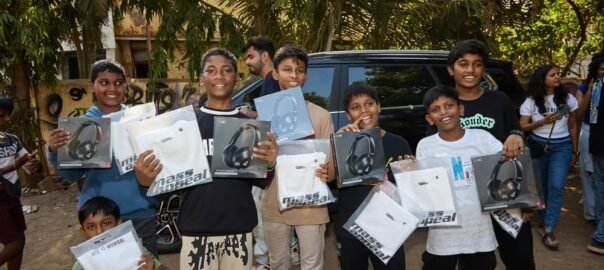
Smart wearables and audio brand Boat joined forces with music label Mass Appeal to support young artists from Mumbai’s Dharavi area under the banner of the ‘Dharavi Dream Project’ and held an audio product distribution drive.

“The gesture aimed to provide the aspiring artists with high-quality tools to pursue their musical journeys and enhance their learning experience,” announced Boat in a press release. “This collaboration reinforces Boat’s commitment to fostering grassroots talent and using music as a medium for positive change. It also marks a significant moment in the brand’s ongoing efforts to connect with and uplift India’s vibrant youth culture through meaningful, purpose-driven initiatives.”

Mass Appeal was co-founded by hip-hop artist Nas and the Dharavi Dream Project is a hip-hop music school designed to empower underprivileged children through music and creative expression. In support of this initiative, Boat distributed 60 of its audio products to students at the Dharavi Dream Project during Nas’ recent visit to India.

Boat is run by Imagine Marketing Limited which is headquartered in India and manufactures and retails products including smart wearables, personal grooming devices, audio gear, and mobile accessories. The business describes itself as “India’s number one audio and wearables brand” and counts strategic partnerships with global businesses including Qualcomm and Dolby with backing from investors such as Warburg Pincus, Malabar Investments, and Fireside Ventures.

Author Credits- Isabelle Crossley, FASHION NETWORK

BoxCommerce

BoxCommerce enters UAE to tap SME e-commerce boom

BoxCommerce, an African founded e-commerce platform that serves SMEs and startups, has launched in Dubai, United Arab Emirates (UAE), betting on the country’s booming mobile commerce market, vast SME sector, and the limited availability of user-friendly e-commerce solutions tailored for local businesses looking to scale.

The move positions BoxCommerce among a wave of African startups setting shop in the Middle East’s commercial capital. The UAE’s e-commerce market is projected to hit $8 billion in revenue this year, surpassing $10 billion by 2029.

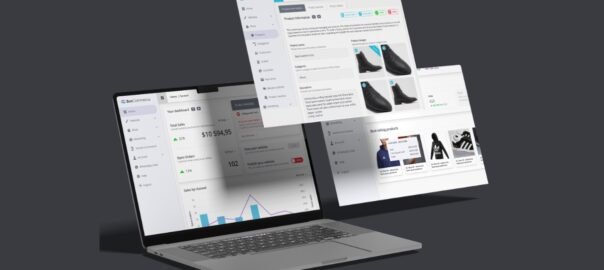
Launched in 2019, BoxCommerce offers tools for building online stores, managing inventory, processing payments, and handling logistics. The company began operations in Kenya in 2022 and claims to have onboarded more than 5,400 merchants in its first year, 16 times the number reached by Shopify over the same period. BoxCommerce is now active in South Africa and Indonesia. The UAE represents a strategic entry point for BoxCommerce into a region with strong consumer demand but limited user-friendly solutions for small businesses.

“The UAE is a strategic market for BoxCommerce,” said CEO and founder Craig Mcleod. “With mobile commerce dominating and over 70% of the population shopping online, the country is on track to grow its e-commerce market size to AED 48 billion by 2028. Our platform is designed to help local businesses tap into this explosive growth.”

In the UAE, BoxCommerce will focus on helping SMEs set up their online store in minutes with no technical expertise required. The platform will also support sales across websites, social media, and marketplaces, helping merchants expand their reach.

“Despite having around 600,000 SMEs in the UAE, there are still very few easy-to-use eCommerce solutions designed to help local SMEs grow and scale,” Rahul Vaish, MENA Director of BoxCommerce, added. “SMEs are the bedrock of any economy, representing 94% of the UAE’s companies and employing over 86% of the private sector workforce.”

BoxCommerce joined MasterCard’s Startup Engagement program and previously participated in Facebook’s Commerce Accelerator in 2020. The company says it aims to become the go-to platform for emerging-market merchants looking to build omnichannel retail operations without technical complexity.

Author Credits- Sakhile Dube, Techcabal

unilever

Unilever expands its digital platform for B2C and B2B ecommerce

Unilever projects the platform will eventually serve up to 1.5 million micro-retailers and drive more than €4 billion (approximately $4.28 billion USD) in annual turnover.

Unilever PLC is expanding its cloud-based ecommerce and AI-driven platform for small-format retail across emerging markets.

The company, however, has not announced plans to roll out the platform in the United States. That reflects a strategic focus on high-growth economies where traditional retail remains dominant. Its B2B platform aims to digitizing its distribution trade operations.

Unilever is a London-based global consumer goods company with 2024 revenue of approximately $64 billion. As of April 2025, Unilever’s B2B platform is live in five countries across Asia:

  1. Indonesia
  2. Pakistan
  3. The Philippines
  4. Thailand
  5. Vietnam

Its rollout in Bangladesh is currently underway, and the company expects to complete it by May. Unilever projects the platform will eventually serve up to 1.5 million micro-retailers and drive more than €4 billion (approximately $4.28 billion USD) in annual turnover.

“Our goal was to create a future-fit platform that could scale and serve our distributive trade business globally, while adapting to local needs and nuances,” said Prashaant Huria, Unilever’s vice president and chief digital and technology officer for customer development, in a company statement.

Unilever B2B digital platform

Unilever calls its retooled digital platform its “eB2B system.” It connects 500,000 small retailers, 600 distributors, and over 6,000 sales representatives across Asia. It designed the system to cover the entire value chain — from order capture to fulfillment and customer service — using mobile technology and AI tools. The platform currently processes 75,000 orders per day, supporting annualized sales of €2.5 billion ($2.67 billion USD).

Retailers, many operating in rural or underserved areas with unreliable internet access, can browse Unilever’s product catalog, place orders, and access promotions via a mobile app. Distributors use the platform to automate inventory management, optimize delivery routes, and streamline credits and returns.

Comprehensive on-site training and support are being provided to encourage adoption among retailers and distributors, according to Unilever.

Which markets Unilever is focusing on

Unilever’s decision to prioritize emerging markets over mature ones like the United States is rooted in the company’s strategic assessment of growth opportunities. In markets such as Southeast Asia, Africa, and parts of Latin America, mom-and-pop stores continue to represent the dominant channel for fast-moving consumer goods (FMCG) sales — accounting for most volume in many regions.

The company has repeatedly emphasized that while U.S. and European markets are crucial for maintaining brand strength, incremental revenue growth is increasingly coming from emerging economies. In Unilever’s 2024 earnings call, CEO Hein Schumacher said that “future volume and penetration gains will be largely driven by winning in the world’s fastest-growing consumer markets.”

In contrast, the U.S. retail landscape presents less need for Unilever to replicate the same distributive trade platform. It’s characterized by consolidated supply chains, dominant supermarket and mass retail chains, and more mature direct-to-consumer models.

Moreover, logistics challenges that the B2B platform is designed to solve — such as last-mile delivery fragmentation, inventory stockouts at tiny retailers, and lack of real-time visibility — are far less prevalent in the U.S. market, where large-scale distributor relationships and sophisticated ERP systems are already widespread.

Unilever focusing on smaller retailers in emerging markets

The launch of Unilever’s digital platform comes at a time when small retail stores in emerging markets are forecast to grow by 7.6% annually by 2030. These stores traditionally rely on manual ordering processes and are vulnerable to inefficiencies in stock management and delivery scheduling.

By providing access to digital ordering tools, real-time stock updates, and AI-based recommendations, Unilever aims to make small retailers more competitive and resilient. According to Unilever, adoption of the eB2B platform has already led to improvements in retailer satisfaction, as measured by Net Promoter Scores, in countries like Thailand, Vietnam, Indonesia, and the Philippines.

Unilever’s platform incorporates AI models to optimize assortment recommendations for sales representatives. The company says it helps them focus on suggesting the highest-value products during short retailer visits. Image processing tools analyze in-store product placement and stock levels. They enable sales reps to offer more targeted merchandising support.

And on the distributor side, automation ensures that incoming orders are matched to available inventory. Furthermore, any shortfalls automatically trigger resupply requests. Built-in route optimization tools allow distributors to plan more efficient and sustainable delivery routes, reducing operational costs and improving service levels.

“By focusing on the most relevant and high-value products, we can evolve the role of a sales rep beyond just an order taker,” Huria said.

Unilever B2B platform rollout in Asia

The current Asian rollout builds on Unilever’s earlier success with its Shikhar platform in India. That platform digitized distribution for millions of small retailers across India. The company is also developing a version of the eB2B platform tailored for Latin American markets, which face similar fragmentation challenges in retail supply chains.

In Unilever’s view, replicating the Shikhar model in other emerging regions could serve as a critical lever for future revenue growth, operational efficiency, and market share expansion.

Unilever operates in more than 190 countries. It reported 2024 full-year revenue of €59.6 billion ($64 billion USD) and has increasingly turned to digital transformation as a pillar of its corporate strategy. In addition to the eB2B platform, the company is investing in AI to forecast demand, optimize production, and tailor marketing programs more precisely across geographies.

While the company’s current focus is on digitizing emerging markets, Unilever has not ruled out adapting elements of the platform for more developed markets if market dynamics shift. However, for now, its investments remain targeted toward building digital ecosystems where retail structures remain fragmented and digital penetration is still scaling rapidly, the company says.

Author Credits- Mark Brohan, Digital commerce 360

CEVA Logistics

CEVA Logistics expands in Turkey with Borusan Tedarik acquisition

CEVA Logistics has announced it will acquire 100% of Borusan Tedarik Zinciri Çözümleri ve Teknoloji Anonim Şirketi, a leading logistics solutions provider in Turkey, for US$440m.

With roots going back more than 50 years, Borusan Tedarik offers logistics solutions including contract logistics, finished vehicle logistics, full truckload and less than truckload ground transportation, as well as air and ocean freight and customs.

The acquisition will nearly double the size of CEVA’s warehousing and distribution operations in Turkey, adding approximately 570,000m2 to its existing 620,000m2 of warehouse space.

In addition, the combined ground transportation activities would execute nearly one million domestic transports per year, while Borusan Tedarik’s activities would also strengthen CEVA’s existing network connections with Europe.

Mathieu Friedberg, CEO, CEVA Logistics, said, “As a top five global logistics player, we have identified Turkey as one of our strategic geographies where we expect to grow significantly. Complementing our existing presence in Turkey with the reputable experts and operations of Borusan Tedarik would put us in a position to offer even greater value to our combined customers and, as a result, grow faster than the market organically. CEVA is becoming bigger, stronger and smarter, so that we can then grow faster.”

Author Credits- HAZEL KING, Parcel and postal technology INTERNATIONAL

decathlon

Decathlon partners with Tata Cliq Fashion to bolster online presence

Global multi-sports apparel and lifestyle brand Decathlon has partnered with Tata Cliq Fashion to strengthen its e-commerce presence in India and connect with shoppers in new geographies, especially across Tier 2 and Tier 3 cities.

“India’s sports landscape is evolving rapidly, with individuals increasingly embracing fitness and an active lifestyle,” said Decathlon India’s CEO Sankar Chatterjee in a press release. “We believe that sports have the transformative power to make societies healthier and happier and our alliance with Tata Cliq Fashion is a step in that direction. As a customer-first brand, Decathlon is committed to provide an immersive and elevated omni experience through e-commerce collaborations to engage with a wider audience. Our extensive range of high-quality products ensures that every sport lover, regardless of location or experience level, is equipped with the essential tools to unlock their full potential. By integrating technology and leveraging Tata Cliq Fashion’s customer base, Decathlon is redefining the sports retail experience with greater convenience and inclusivity.”

Decathlon has launched over 5,000 sports products on Tata Cliq Fashion’s platform, joining over 4,000 Indian and international labels on the e-commerce store. Decathlon offers goods across 60 sport categories, now deliverable to over 24,000 Indian pin codes with Tata Cliq Fashion.

“At Tata Cliq, we are committed to offering a diverse and thoughtfully curated assortment that resonates with the evolving preferences of our consumers,” said Tata Cliq’s CEO Gopal Asthana. “The sports and fitness category on Tata Cliq Fashion is one of our top-performing categories with a significant contribution of revenue to our overall business. We are elated to expand our portfolio further with the availability of Decathlon’s exceptional quality and vast product range, as it aligns seamlessly with our vision to provide a complete sporting solution for every consumer. Together, we aim to redefine the way the nation shops for sports and fitness essentials, taking a meaningful step toward building a healthier and fitter India.”

Author Credits- Isabelle Crossley, FASHION NETWORK

meesho

IPO-bound Meesho to change Indian parent entity’s name from Fashnear Technologies

IPO-bound ecommerce company Meesho’s board has approved changing the name of its Indian entity, Fashnear Technologies Pvt Ltd, to Meesho Pvt Ltd, regulatory filings made with the Registrar of Companies showed.

The company has sought approval from the Ministry of Corporate Affairs to change its name.

The Bengaluru-based company has already submitted an application with the National Company Law Tribunal (NCLT) for the flip.

Once the redomiciling exercise is completed, the renamed entity, Meesho Pvt Ltd, will become the ecommerce marketplace’s parent company.

“The proposed name change ensures that the corporate identity and brand identity are fully aligned, eliminating any inconsistency in public perception. This will enhance brand recall, stakeholder trust, and overall business positioning,” the company said in its RoC filing.

Meesho declined to comment on this development.

Before Meesho, several other companies have changed the names of their corporate entities to reflect their brands. This includes Swiggy, which changed the name from Bundl Technologies ahead of its IPO; Urban Company, which changed its name from Urbanclap Technologies (its older brand name); and Shiprocket, which was earlier known as Bigfoot Retail.

Most recently, quick commerce company Zepto’s Indian parent changed its name from Kiranakart Technologies to Zepto Pvt Ltd.

Meesho, which is gearing up for a public listing, has already appointed Kotak Mahindra Capital, Citi, JP Morgan and Morgan Stanley as merchant bankers for its issue.

In March, Meesho released its annual report saying it recorded 34% year-on-year growth in orders during the April-December 2024 period, at 1.3 billion. This equalled the number of orders it clocked in the fiscal year ended March 2024.

As of December 31, the company had 187 million unique annual transacting users — a 26% increase from the same period in the previous year.

A March report by brokerage firm CLSA noted that Meesho is currently at a gross merchandise value (GMV) run rate of $6.2 billion, and is estimated to grow at a compound annual growth rate (CAGR) of 26% for the next six years.

The research note estimated Meesho’s market share in terms of the number of orders for calendar year 2024 stood at 37%. However, in terms of GMV, its market share was around 8.5%, it said.

“As of CY24, Meesho increased its share of the retail ecommerce market in India from a low share to around 8.5% and leads in order count at 37%. The company attributes this growth to its value-led model, which has resonated with consumers seeking affordability and variety,” CLSA noted.

ET reported in January that Meesho had raised $250-270 million from Tiger Global, Think Investments and Mars Growth Capital in a funding round, taking that round’s total size to $550 million. The round — a majority of which was secondary transactions — closed with Meesho’s valuation pegged at $3.9-4 billion, lower than its peak valuation of $5 billion.

Author Credits- Pranav Mukul, msn

indonesia counterfeit goods

Counterfeit goods persist in Indonesia despite government curbs, renewed US complaints

Mangga Dua market has been thrust into spotlight yet again as a barrier to trade in the USTR’s 2025 National Trade Estimate Report, which has singled out the North Jakarta market as a bustling hub of counterfeit goods.

JAKARTA – Rampant intellectual property (IP) infringements continue to persist, particularly in the trade of counterfeit products, despite repeated attempts to curb the practice through government measures as well as pressure from foreign countries, especially the United States.

That is the reality on the ground, at least according to some merchants at Mangga Dua Morning Market in Ancol, North Jakarta, which has long attracted shoppers and bargain hunters in search of affordable luxury apparel and accessories such as handbags, wallets, toys and leather goods, never mind that many are knockoffs.

At one stall with two employees, the shelves were stacked with knockoff luxury goods, from counterfeit Coach bags to Louis Vuitton wallets.

Counterfeit goods of high-end brands cost more than Rp 1 million (US$59.26) on average, with the cheapest item priced at Rp 350,000, the employees said on Tuesday as they engaged in haggling with shoppers looking for better deals.

Aristo, who has been selling wares at the market for over a decade, offers knockoffs of mid-range labels in his compact retail space, which is filled with a variety of counterfeit bags and backpacks for around Rp 150,000 a pop.

He told The Jakarta Post on Tuesday that the market’s merchants were divided into tiers: so-called premium sellers offered genuine luxury brands with price tags reaching several million rupiah, while low- to mid-level sellers offered knockoffs for an upper price range of Rp 500,000.

Government raids were a regular occurrence at the market, Aristo said, especially those targeting “premium sellers”.

“But as you can see, they are still here,” he said, pointing to a row of busy stalls nearby.

According to Aristo, many Mangga Dua merchants source their goods from other wholesale markets in Jakarta.

“We sell whatever is right in front of us,” he said, suggesting that some merchants might not be aware that they were trading in counterfeit imports.

Mangga Dua market has once again been brought into spotlight as a copyright piracy and trademark counterfeiting hub, this time in the 2025 National Trade Estimate Report on Foreign Trade Barriers from the Office of the US Trade Representative (USTR), along with a general mention of “multiple online Indonesian marketplaces”.

The report was published on March 31, just a few days before President Donald Trump unveiled his sweeping tariff policy for hundreds of nations on April 2, though he backtracked exactly a week later with a 90-day pause, reportedly to open space for negotiations with affected countries.

In the linked 2024 Review of Notorious Markets for Counterfeiting and Piracy (Notorious Markets List), the USTR states: “There has been little or no enforcement actions against counterfeit sellers.” It also referenced stakeholders’ reports that “warning letters issued to sellers have been largely ineffective” and their “concerns about the lack of criminal prosecutions”.

Regulatory gaps

Trade Minister Budi Santoso said on April 20 that his office would continue to monitor and crack down “strictly” on the domestic circulation of counterfeit goods.

Moga Simatupang, the ministry’s director general of consumer protection and trade order, told the Post on Monday that the distribution of counterfeit goods might fall under offenses that cannot be prosecuted without a complaint from the victim, as stipulated in Law No. 20/2016 on trademarks.

He added that the IP Task Force, which comprises several ministries and state institutions, had conducted regular surveillance of various products that infringed intellectual property rights.

“Regarding the rampant [trade in] counterfeit goods at Mangga Dua, the government will immediately take follow-up action,” Moga said.

Industry Ministry spokesperson Febri Hendri Antoni Arif emphasized that regulating imports was crucial in preventing the entry of counterfeit products, pointing to Industry Ministry Regulation No. 5/2024 that requires importers to have a trademark certificate before getting the green light from the Trade Ministry.

The regulation was “aimed at filtering and preventing counterfeit goods from being imported into the domestic market in Indonesia”, Febri said in a statement on Tuesday.

However, this regulation was short-lived and subsequently replaced by Trade Ministerial Regulation No. 8/2024, which eased imports and removed the requirement for trademark certification.

According to Febri, the ministry had deemed as ineffectual efforts to trace and crack down on counterfeit goods in local markets amid a surge in import volumes, noting that it would be difficult for brand principals and trademark owners to file formal complaints since most were based overseas.

Andry Satrio, an economist at the Institute for Development of Economics and Finance (INDEF), told the Post on Monday that curbing counterfeit goods was a delicate and challenging issue.

For example, he said, if the government considered tightening import regulations, the US might view it as a form of trade barrier. This move could also restrict the flow of raw and auxiliary materials, which had led to protests last year from businesses with local operations and the government’s eventual policy reversal.

Andry also underlined that the trade in counterfeit goods involved illegal cross-border activities, so the government should strengthen the enforcement of IP rights through partnerships with other countries, such as ASEAN states.

Bhima Yudhistira, executive director of the Center of Economic and Law Studies (CELIOS), said on Monday that the counterfeit goods trade had become widespread in part due to lack of oversight in halting imports through unauthorized channels.

The absence of sanctions for both producers and retailers of counterfeit goods was another contributing factor.

“Though the government has confiscated some illegal goods, it was not significant,” he said, adding that retail sales of illegal goods accounted for 10 percent of GDP.

Author Credits- Ni Made Tasyarani, The Jakarta Post

UPS acquire Andlauer Healthcare Group

UPS strengthens healthcare logistics with Andlauer acquisition for US$1.6bn

UPS has announced it is to acquire Andlauer Healthcare Group Inc (AHG), a leading provider of logistics and specialized cold chain transportation solutions for the healthcare sector headquartered in Canada, for approximately C$2.2bn (US$1.6bn).

According to UPS, the acquisition will extend the global portfolio of end-to-end cold chain capabilities available to UPS Healthcare customers, who increasingly seek temperature-controlled and precision logistics solutions.

“Next-generation treatments are driving more complexity than ever, expanding the needs of healthcare customers and increasing demand for the integrated, end-to-end cold chain solutions UPS Healthcare provides around the world,” said Kate Gutmann, EVP and president of international, healthcare and supply chain solutions for UPS.

“Andlauer Healthcare Group will help us deliver expanded capability to our customers, driving best in class patient outcomes while contributing to our overall growth plans across the business. This acquisition marks another important step in our declaration to be the number one complex healthcare logistics and premium international logistics provider in the world.”

Following the close of the transaction, Michael Andlauer, founder and CEO of AHG, will lead UPS Canada Healthcare and AHG to expand the businesses’ specialized capabilities and meet the needs of healthcare customers.

“UPS Healthcare and AHG employees share a similar customer and patient-centric culture with a relentless focus on quality,” said Andlauer. “Once the transaction is completed, the businesses will offer an even broader set of specialized logistics services to customers throughout Canada.”

Author Credits- HAZEL KING, Parcel and postal technology INTERNATIONAL

zepto founder

Zepto founders tap Edelweiss, others for Rs 1,500 crore structured debt to boost Indian ownership

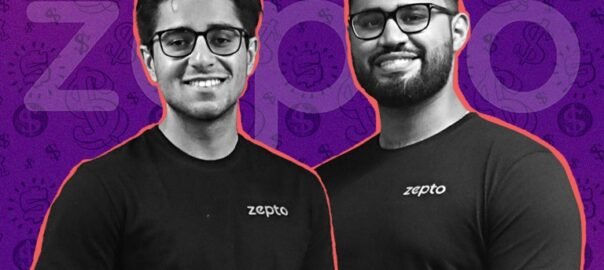
Zepto founders Aadit Palicha and Kaivalya Vohra are in advanced talks with Edelweiss Alternative Asset, domestic family offices and smaller credit funds for around Rs 1,500 crore (more than $175 million) structured debt, people familiar with the matter told ET.

The deal is aimed at acquiring shares from existing foreign investors to help the quick commerce startup consolidate domestic ownership ahead of its planned initial public offering (IPO), they said.

Edelweiss has submitted a binding bid, they said, adding that the loan carries a minimum interest rate of 16%, with an equity-linked upside that could enhance total returns to about 18%.

People aware of deal details said it is being executed at a valuation of nearly $5 billion, the same as when Zepto raised equity financing last year.

The transaction, with a tenure of three years, is expected to close by July and will see Edelweiss underwriting the bulk of the loan. “Edelweiss has given a binding term sheet and will anchor the raise by committing half of the amount,” said a person with knowledge of the matter. “The remaining Rs 750 crore is being raised from family offices and smaller credit funds, who are expected to come in on the same terms.”

Domestic shareholding may be 30%

They may end up generating an 18% return based on the valuation of the company during the IPO, the person added.

An Edelweiss spokesperson declined to comment. Zepto didn’t respond to queries.

The promoter-level acquisition financing will help the Zepto founders increase their stake in the company to around 20%, from the current 18%, said another person aware of the matter.

Zepto’s domestic shareholding will likely increase to more than 30% once the deal is finalised, said a person familiar with the development. Its biggest backers include Nexus Venture Partners, Y Combinator and General Catalyst, among others.

Ownership threshold

The founders are undertaking the move to comply with foreign direct investment (FDI) regulations that govern online retail and meet the Indian ownership threshold, which could be crucial for regulatory clearances and IPO eligibility. India’s FDI rules allow 100% foreign investment in online marketplace models, but ban FDI in inventory-led ecommerce. Only Indian Owned and Controlled Companies (IOCCs) can legally operate inventory-led models. To qualify as an IOCC, a company must have more than 50% Indian ownership and control.

On April 19, the board of Eternal, listed parent of food and grocery delivery company Zomato, approved a proposal to cap foreign ownership in the firm at 49.5%, it told stock exchanges. The move was aimed at providing “greater operational flexibility” to quick commerce unit Blinkit by allowing it to hold inventory, rather than operate solely as a marketplace, as required under India’s foreign investment rules.

The Zepto deal “is classic promoter financing—a high-yield debt deal with embedded equity upside,” said one of the people cited above. But securing by a pledge of promoter equity is a rare instance for Indian new-age tech firms, especially with a high cash burn, the people said.

Previously, edtech startup Byju’s, online pharmacy PharmEasy and budget hotel chain Oyo have all resorted to loans because equity funding was difficult to snag, especially at steep valuations. Byju’s has defaulted and is bankrupt, while PharmEasy’s valuation was cut by more than 90% last year.

Zepto received National Company Law Tribunal (NCLT) approval on January 9 to merge its Singapore-based parent Kiranakart with Indian entity Kiranakart Technologies, streamlining its structure. In order to align with its consumer brand, Kiranakart Technologies has been renamed Zepto Pvt Ltd, show regulatory filings. The restructuring comes amid a broader wave of reverse flips by Indian startups seeking to tap domestic capital markets.

Secondary sale

Separately, Zepto is also closing a $250-million secondary transaction that will see participation from private equity firms including Motilal Oswal Financial Services, as reported first by Bloomberg. This secondary sale is designed to further increase Indian ownership and clean up the company’s cap table ahead of its public listing, another person familiar with the development said.

Palicha, Vohra and the employee stock ownership (Esop) pool together currently hold around 28% of Zepto, according to people in the know. The company aims to add another 8-10% of Indian shareholding through these transactions before the IPO paperwork is filed.

The push for higher Indian ownership also comes at a time when Zepto and its rivals are facing heightened scrutiny over operational models and profitability metrics in the quick commerce space.

In a recent LinkedIn post, Palicha said Zepto is nearing $4 billion in annualised gross order value (GOV), posting around 300% year-on-year growth and about 30% sequential growth since January. He also pointed to a 50% reduction in ebitda losses (excluding Esop costs) and operating cash flow burn over the past three months, with a target to achieve break even on both fronts soon.

Blinkit had an annualised GOV of $3.6 billion in the quarter ended December 31, 2024. Swiggy Instamart posted an annualised gross sales run rate of $1.8 billion in the same quarter.

The buzzy quick-commerce industry is seeing cash-burn levels rise sharply in the backdrop of hectic growth. According to an ET report on February 15, the sector’s monthly burn had surged to Rs 1,300-1,500 crore, led by intensified competition among Zepto, Blinkit, and Swiggy Instamart.

Eternal founder and CEO Deepinder Goyal had told ET in an interview that for its quick commerce unit Blinkit, “It’s about making sure the discipline of execution stays intact in the team. Our burn rate is 2-3% of the sector, while our category share would be 40-45%.”

Author Credits- Shilpy Sinha and Samidha Sharma, msn